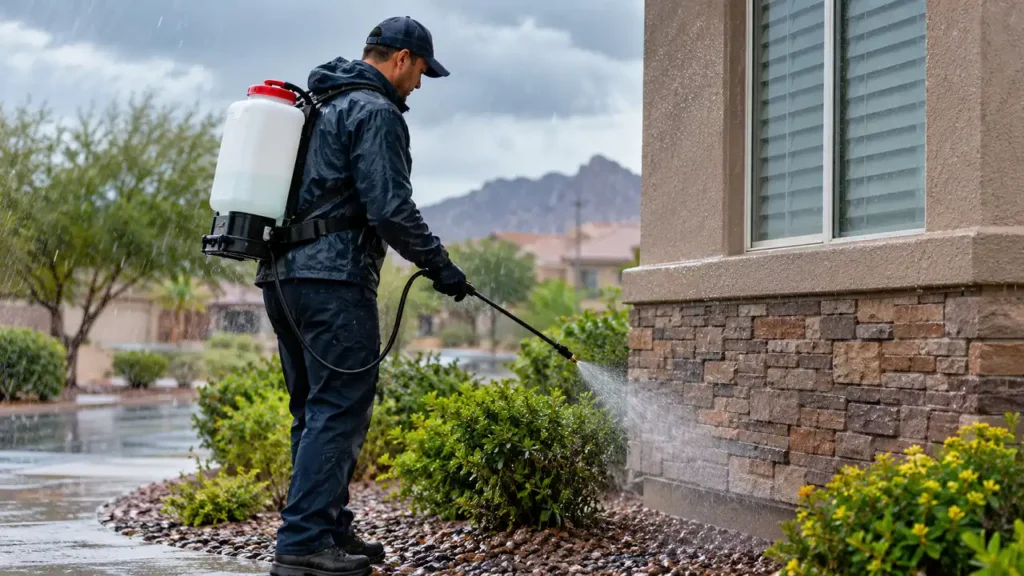
Dark clouds roll in over Chandler on the morning of your service, and you wonder if the visit is a waste. Can pest control spray in rain? Yes, but only when the product has time to dry and the rain stays light. That matters because a treatment that washes away before it bonds leaves your home open to scorpions, ants, and termites right when monsoon moisture drives them toward your walls.
On recent service calls in Chandler, this is the most common question we hear from June through September. The right call depends on the product, the surface, and the storm. Regular general pest control in Chandler works best when your technician reads the weather, not just the calendar.
Key Takeaways
- Most exterior sprays need 1 to 4 hours of dry time before rain. Some product labels set a minimum of 4 hours, and once dry, the residual bonds to surfaces and resists light rain.
- Interior treatments are not affected by rain, so we can always treat inside, plus garages, eaves, and covered patios, during wet weather.
- Heavy monsoon downpours and flooding mean we reschedule the exterior portion. Reputable companies offer free re-treatment if rain washes away a fresh application.
Can Pest Control Spray in Rain? The Short Answer
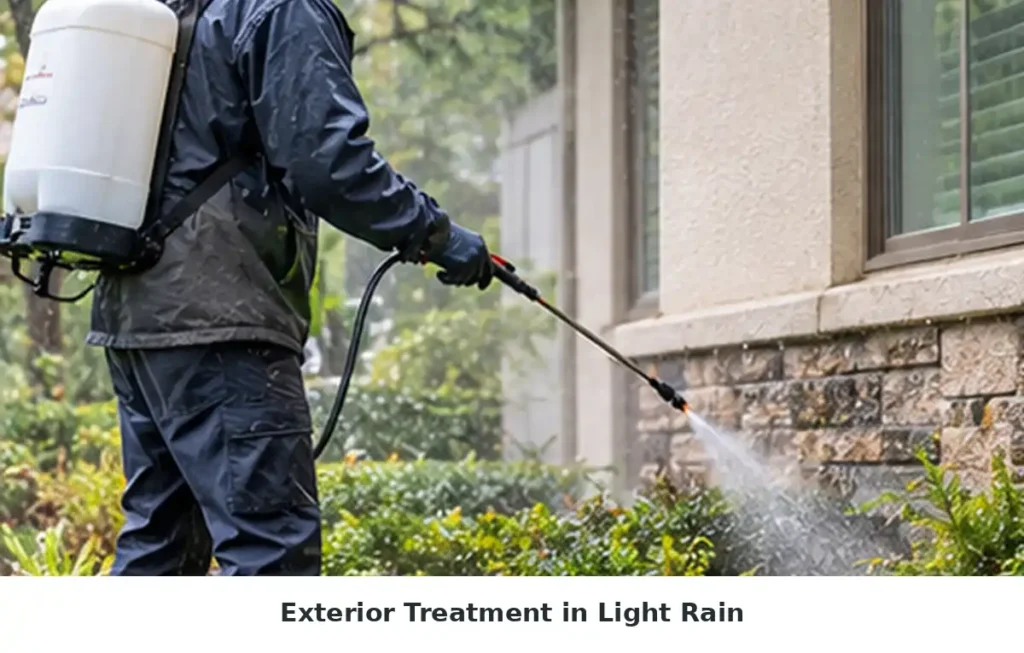
Professional pest control can spray in light rain, with conditions. The deciding factor is drying time, the window a liquid treatment needs to soak in and bind to a surface. Once that window passes, the residual (the active layer that keeps killing pests for weeks) holds up well against normal rainfall.
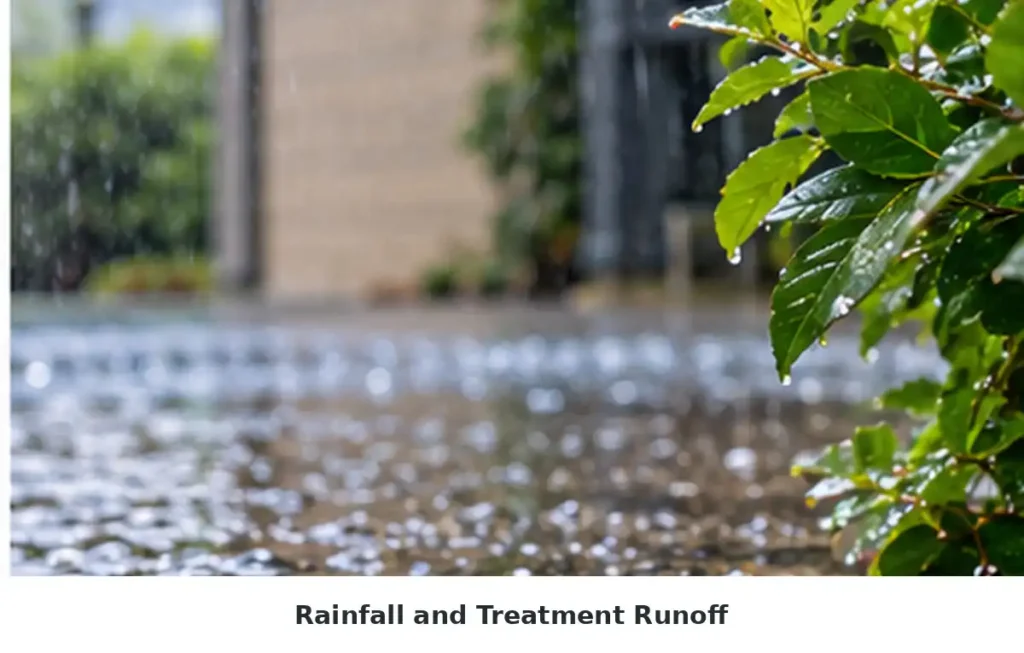
Heavy rain is different. A strong downpour within the first few hours can cause runoff, which dilutes the product and carries it away from your foundation. That is a waste of product and a risk to storm drains.
Here is how we break it down for homeowners:
| Weather Condition | Can We Spray Outside? | Why |
|---|---|---|
| Clear skies, no rain forecast | Yes | Ideal drying and bonding conditions |
| Light drizzle or mist | Usually yes | Low runoff risk, especially on covered areas |
| Rain expected within 1 to 4 hours | Case by case | Depends on product label and surface type |
| Steady, moderate rain | Limited | We treat covered areas and interior only |
| Monsoon downpour or flooding | No | High runoff risk; exterior gets rescheduled |
| High winds or dust storm (haboob) | No | Spray drift makes accurate application unsafe |
The takeaway: check the forecast window, not just the current sky.
How Rain Affects Pest Control Treatments
Rain affects treatments in two ways: dilution and displacement. Dilution weakens the product’s concentration. Displacement moves it off the target zone entirely.
Product labels are the legal guide for every application. Federal rules require applicators to follow label directions, and many exterior labels state to avoid application when rainfall is expected before the product has dried. One commonly used label sets that minimum at 4 hours. The EPA’s pest control and pesticide safety resources explain why following the label protects both your family and the environment.
Drying and Bonding Times by Treatment Type
Each product type reacts to water differently. Liquids need dry time, while some granules actually need moisture to activate.
| Treatment Type | Typical Dry or Set Time | Rain Sensitivity | Notes From the Field |
|---|---|---|---|
| Liquid perimeter spray | 1 to 4 hours | High until dry | Bonds to stucco and block walls once dry |
| Wettable powder or microencapsulated spray | 1 to 2 hours | Moderate | Capsules hold up better on porous surfaces |
| Granular baits and insecticides | Activated by water | Low to helpful | Light rain or irrigation releases the active ingredient |
| Gel baits (indoor) | Minutes | None indoors | Placed in cracks and voids away from water |
| Dust in wall voids and weep holes | Immediate | Low if protected | Clumps if soaked, so we avoid exposed wet areas |
| Liquid termiticide (soil) | Bonds to soil within hours | Low after binding | Saturated soil limits absorption, so we wait |
| Mosquito misting or fogging | 30 to 60 minutes | High | Rain and wind reduce coverage on foliage |
Why the 4-Hour Window Matters in Arizona
Monsoon storms build fast. A clear 10 a.m. sky can turn into a cell with gusts over 40 mph by 3 p.m. That timing is why our crews in the East Valley favor morning exterior service during monsoon months. A morning application usually gets the full drying window before afternoon storms form.
Your next step: ask your provider what time they plan to treat on a storm day.
Indoor vs. Outdoor Treatments During Rain
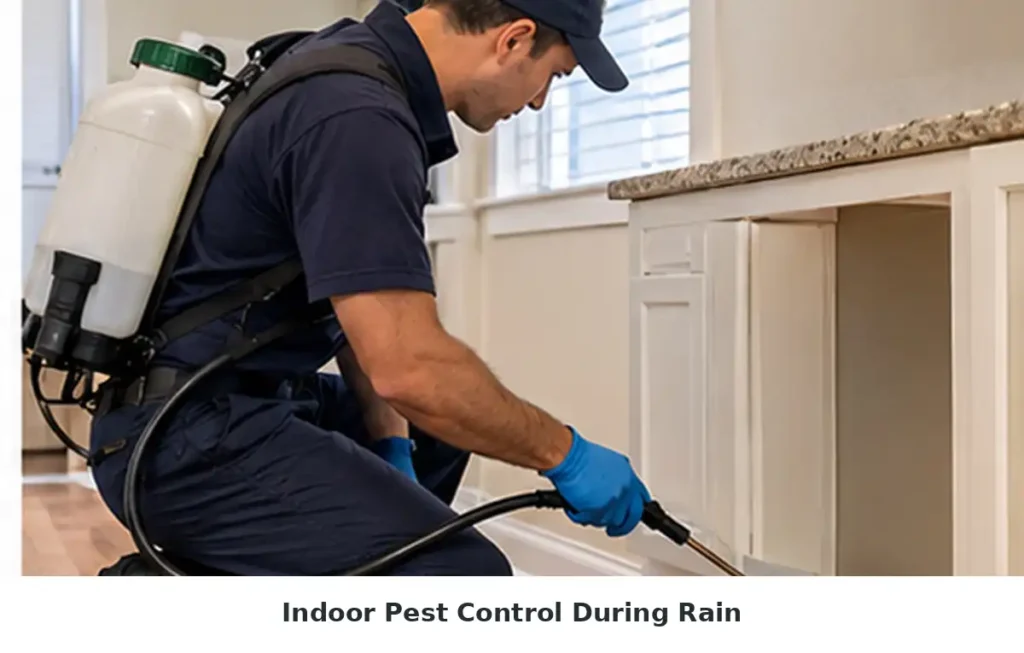
Indoor work never depends on weather. If you are asking whether pest control can spray in rain, the answer for your interior, garage, and attic is always yes. Rain often helps indoor service, because pests move inside and gather where we treat.
| Treatment Area | Rain Impact | Proceed in Rain? |
|---|---|---|
| Kitchen, baths, living areas | None | Yes |
| Garage and laundry room | None | Yes |
| Attic and wall voids | None | Yes |
| Covered patio and eaves | Minimal | Yes |
| Door frames and window sills (exterior) | Moderate | Yes in light rain, if sheltered |
| Foundation perimeter (exposed) | High | Only in light rain with dry time ahead |
| Lawn, gravel, and landscaping | High for liquids, low for granules | Granules yes; liquids reschedule |
Our exterminators frequently see this in Arizona block-wall homes: a wet foundation but dry, sheltered eaves and weep screeds. We focus on the protected zones first. That is where bark scorpions and roaches squeeze in anyway.
Arizona Monsoon Pest Surges: Why Rain Days Matter More Here
Monsoon season runs from June 15 to September 30 in Arizona. Rain triggers sudden pest blooms, as dormant eggs hatch and flooded colonies relocate. Skipping service during this window is the most costly mistake we see.
The University of Arizona Cooperative Extension publishes research on desert pests and landscape care that matches what we see daily. Moisture changes pest behavior fast, and the effect lasts for weeks after each storm.
Pest Identification Guide: Monsoon Activity
| Pest | What Rain Triggers | Where You’ll See Them | Risk Level |
|---|---|---|---|
| Arizona bark scorpions | Flee flooded burrows, seek dry shelter | Baseboards, bathtubs, garages, block walls | High (painful, venomous sting) |
| Subterranean termites | Swarming flights after summer storms | Window sills, light fixtures, garage doors | High (structural damage) |
| Mosquitoes | Eggs hatch in standing water | Patios, pool equipment, plant saucers | Medium to high (West Nile virus) |
| Ants (harvester, fire, odorous house) | Colonies relocate to higher, drier ground | Kitchens, slab cracks, yard mounds | Medium |
| Crickets and beetles | Population spikes attract scorpions | Garages, porch lights | Low alone, high as scorpion food |
| Cockroaches | Sewer and drain flooding pushes them up | Drains, utility rooms, cabinets | Medium (allergens, bacteria) |
If you’ve spent a summer in the Valley, this pattern makes complete sense. Crickets boom after storms, and scorpions follow their food. Monthly scorpion control treatments that combine perimeter sprays, dusting, and exclusion keep that chain broken through the wet months.
Our Field Notes From Chandler Block-Wall Homes
On recent service calls in Chandler, we have noticed three repeat patterns after monsoon storms:
- Scorpion sightings jump within 24 to 72 hours of a heavy storm, especially in homes backing onto open desert or canals.
- Termite swarmers appear at dusk on humid evenings, often around garage door seals and windowsills.
- Ant trails show up indoors overnight, typically along kitchen baseboards and under dishwashers.
This is why the question of whether pest control can spray in rain matters so much here. Waiting two weeks for “perfect weather” gives these pests a two-week head start.
Your next step: note the date of your last storm and watch for activity over the next three days.
When We Proceed vs. When We Reschedule
Our crews make the call on site using a simple process. We never spray into a storm just to check a box.

How Our Technicians Decide on Rainy Service Days
- Check the hourly forecast for rain timing and intensity over the next 4 hours.
- Inspect the surfaces to see if walls, soil, and gravel are already saturated.
- Read the product label for its required dry time and any rainfall restrictions.
- Treat the interior first, since weather has no effect inside.
- Treat covered exterior zones such as eaves, patios, garage entries, and weep screeds.
- Apply granular products to landscaping where light moisture helps activation.
- Reschedule the open perimeter spray if heavy rain is coming within the dry window.
- Document the service so the follow-up visit covers anything we held back.
Proceed or Reschedule: Quick Decision Table
| Situation | Our Call | What You Should Expect |
|---|---|---|
| Light drizzle, clearing later | Proceed | Full service, possibly granules added |
| Storm forecast in 6+ hours | Proceed (morning priority) | Full exterior and interior service |
| Storm forecast in 1 to 3 hours | Partial service | Interior and covered areas now, perimeter later |
| Active downpour | Reschedule exterior | Interior service only, or a new date |
| Flooding or standing water at foundation | Reschedule exterior | Return visit after soil drains |
| Lightning in the area | Pause all outdoor work | Safety comes first for crews and families |
Re-Treatment Guarantees: What Happens if Rain Washes It Away?
A good guarantee covers weather. Reputable providers offer free re-service between scheduled visits if pests return, and that includes rain washout. At Chandler AZ Pest Control, our recurring service plans include free call-backs at no extra charge.
| Guarantee Feature | What to Look For | Red Flag |
|---|---|---|
| Free re-treatment | Covers pests returning between visits | Charges a “trip fee” for call-backs |
| Weather clause | Re-treats if heavy rain hits within the dry window | Excludes all rain events |
| Response time | Return visit within a few business days | No set timeframe |
| Written terms | Guarantee listed on your service agreement | Verbal promise only |
| Pest coverage | Lists covered pests clearly | Vague “general bugs” language |
Ask for the guarantee in writing before monsoon season starts. That one step saves arguments later.
DIY vs. Professional Treatment in Wet Weather
DIY products struggle more in rain. Most store-bought sprays are lower concentration, lack microencapsulation (tiny protective capsules around the active ingredient), and come with no re-treatment promise. The honest answer to whether pest control can spray in rain changes a lot depending on who is spraying.
| Factor | DIY Store Spray | Professional Service |
|---|---|---|
| Rain resistance once dry | Low to moderate | Moderate to high |
| Product options | Limited retail formulas | Weather-suited liquids, granules, dusts, baits |
| Weather planning | Guesswork | Forecast and label-based timing |
| Residual lifespan | 2 to 4 weeks | 30 to 90 days, depending on product |
| Scorpion effectiveness | Low (hard exoskeleton, hiding behavior) | Higher with dusting and exclusion |
| Termite protection | Not effective | Licensed soil and bait systems |
| Cost if rain washes it away | Buy and apply again | Free re-treatment under guarantee |
| Safety around kids and pets | Depends on user | Trained, licensed applicators |
Pros and Cons of DIY Spraying Before Rain
Pros:
- Lower upfront cost for a single bottle
- Immediate action when you see a few bugs
Cons:
- No guarantee if a storm hits
- Higher runoff risk from over-application
- Misses hidden harborage like weep screeds, wall voids, and block-wall caps
- No termite or scorpion-level control
Treatment Cost Comparison for Chandler Homes
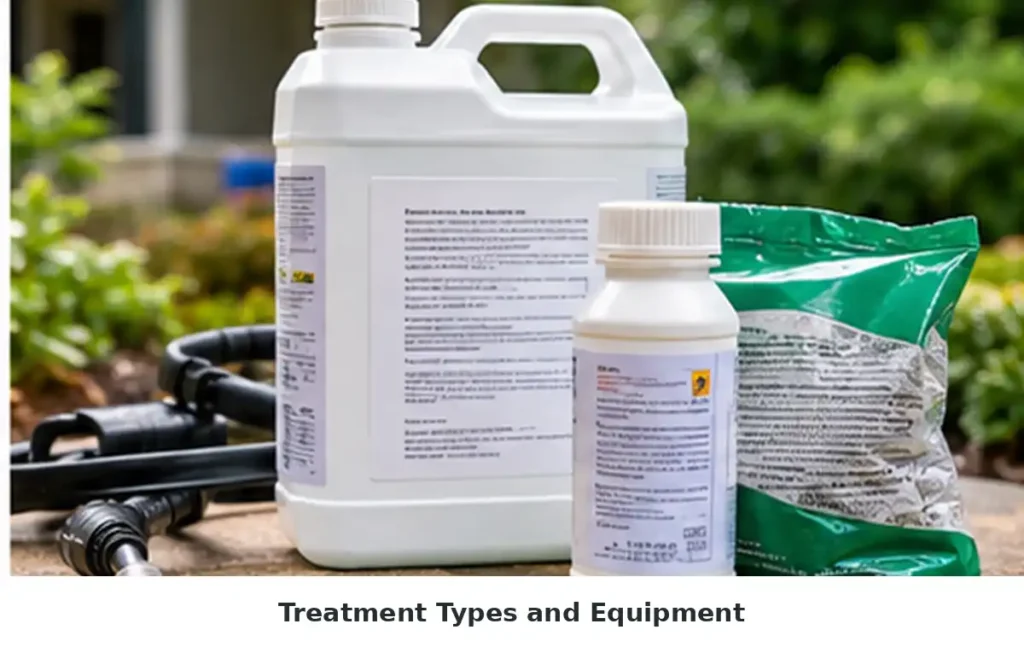
Costs vary by home size, pest pressure, and plan type. The ranges below reflect typical East Valley pricing; we give every customer a written quote with transparent pricing before work starts.
| Service | Typical Price Range | Rain Re-Treatment Included? | Treatment Lifespan |
|---|---|---|---|
| DIY perimeter spray (retail) | $15 to $40 per bottle | No | 2 to 4 weeks |
| One-time general pest service | $150 to $300 | Varies by provider | 30 to 60 days |
| Quarterly general pest plan | $100 to $150 per visit | Yes, with most plans | 90 days |
| Monthly scorpion plan | $60 to $100 per visit | Yes, with most plans | 30 days |
| Termite treatment (liquid or bait) | $800 to $2,500+ | Covered by warranty terms | 1 to 5+ years |
| Mosquito service (seasonal) | $60 to $120 per visit | Usually yes | 2 to 4 weeks |
Cheap treatments get expensive when rain forces you to buy them twice.
Property Maintenance Checklist: Before and After Monsoon Rain
Small steps protect your treatment. These checklists help any service you get last longer through Arizona storms.
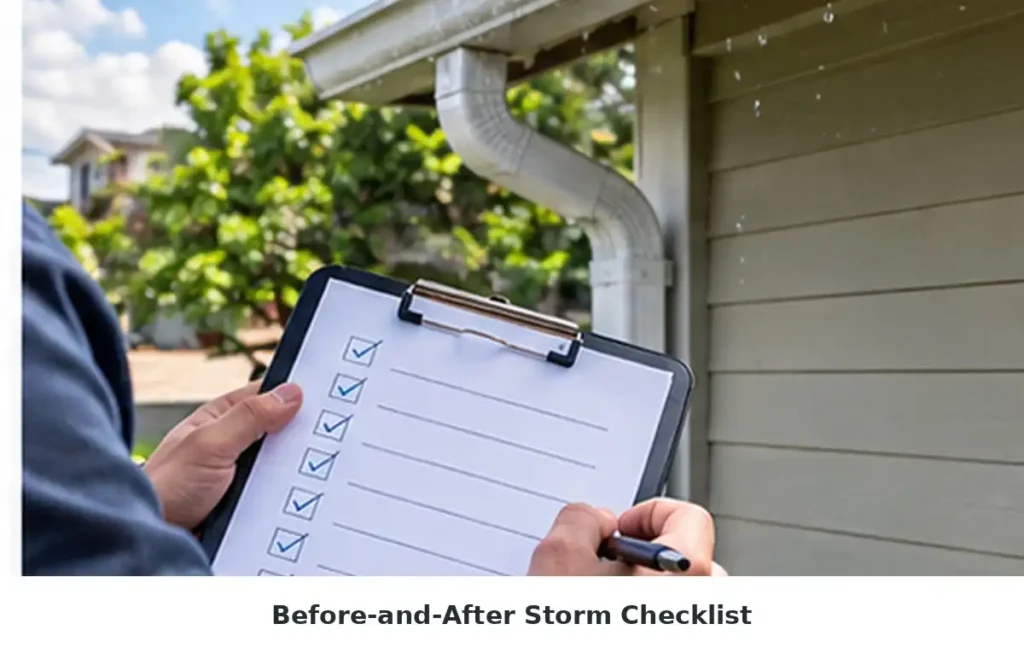
Before the Storm
- Clear gutters and downspouts so water drains away from treated foundations
- Move potted plants off the perimeter to reduce harborage
- Seal door sweeps and weather stripping to block scorpions
- Trim shrubs and trees at least 12 inches from walls and roofs
- Store firewood and debris away from block walls
After the Storm
- Dump standing water in planters, toys, tarps, and pool covers within 48 hours
- Check windowsills and light fixtures for termite swarmers or shed wings
- Inspect garage corners and baseboards with a UV flashlight at night for scorpions
- Look for new ant mounds near slabs and sidewalks
- Call for a re-treatment if activity spikes within days of your service
Steps to Pest-Proof Your Home for Monsoon Season
- Schedule service in early June before the first storms arrive.
- Book morning appointments during July and August to beat afternoon storm cells.
- Seal entry points around plumbing, utility lines, and block-wall gaps.
- Install weep screed covers and tight door sweeps for scorpion exclusion.
- Fix irrigation leaks that keep soil wet near your foundation.
- Keep porch lights off or switch to yellow bulbs to reduce insects that attract scorpions.
- Review your guarantee so you know how rain re-treatments work.
FAQs
Can pest control spray in rain if it’s only drizzling?
Yes. Light drizzle rarely causes runoff, and we prioritize covered areas and interior zones. We switch to granular products in landscaping when the ground is damp.
How long does pest spray need before it rains?
Most liquid treatments need 1 to 4 hours to dry. Some labels require a minimum of 4 hours. Once dry, the residual bonds to surfaces and holds up to normal rain.
Does rain make pest control less effective?
Heavy rain soon after application can dilute or wash away product. Rain after the product dries has limited effect on a professional residual.
Should I cancel my appointment if it’s raining?
No. Let your technician decide. We can still complete interior service and sheltered exterior work, then return for anything the weather blocked.
Do termites swarm after rain in Arizona?
Yes. Subterranean termites commonly swarm on warm, humid evenings after monsoon storms. Swarmers indoors usually mean an active colony nearby, so book a termite control inspection right away.
Why do I see more mosquitoes after a storm?
Standing water lets eggs hatch and larvae develop in about a week during Arizona heat. Dumping water and booking mosquito control service cuts populations fast.
Do rodents move indoors during monsoon season?
Yes. Roof rats and mice seek dry shelter when storms flood their outdoor nests. Sealing gaps with professional rodent removal and exclusion keeps them out of attics and garages.
The Bottom Line for Chandler Property Owners
So, can pest control spray in rain? Yes, when the product, timing, and storm intensity line up. Light rain rarely stops a professional service, while monsoon downpours move the exterior portion to a better day. Weather should change the plan, not cancel your protection.
At Pest Control Chandler AZ , our crews serve Chandler, Gilbert, Mesa, Tempe, and nearby neighborhoods from our office at 1425 W. Frye Rd, Chandler, AZ 85224. We treat with weather-smart timing, explain every step in plain language, and back our recurring plans with free re-treatments.
Book your morning service before the next storm front rolls across the Valley.